How to Choose the Right Desert Quad Bike Experience
Choosing a desert quad bike experience is less about picking the fastest machine and more about matching the ride to your confidence, the terrain, and the way the outing is run. A good choice feels controlled from the first briefing to the last stretch back. A poor choice can feel rushed, cramped, or more demanding than expected.
The desert looks open and simple, but sand changes under a bike in ways that ordinary roads do not. Soft patches slow the machine, firm tracks encourage faster riding, and dunes can hide a steep drop on the far side. The right option depends on how well the route, bike, safety setup, and pace fit your needs.
Start with your riding experience
Be honest about what you can handle before looking at engine size or route length. If you have never ridden an ATV, choose a beginner friendly option with a clear briefing, a steady pace, and time to practise steering and braking. The first minutes matter. A rider who understands how the bike turns and stops on sand is far less likely to panic when the surface changes.
Riders with some off road experience can look for a route with varied terrain, but that does not mean jumping straight into the most powerful machine. A smaller bike with predictable handling is often more enjoyable than a strong bike that feels twitchy in loose sand. If you are comparing quad biking dubai options, treat experience level as the first filter, not an afterthought.
Think about physical comfort too. Riding involves standing at times, gripping the handlebars, using your legs as suspension, and staying alert to other riders. Anyone with back, wrist, or knee concerns should choose a gentler pace and ask about how the route is managed before booking.
Match the bike to the rider, not the photo
Quad bikes vary a lot in size, power, and seating position. A bike that looks impressive in a picture may be tiring or awkward for a smaller rider. A good fit lets you reach the controls easily, sit or stand without strain, and feel stable when the bike slows down or turns across a slope.
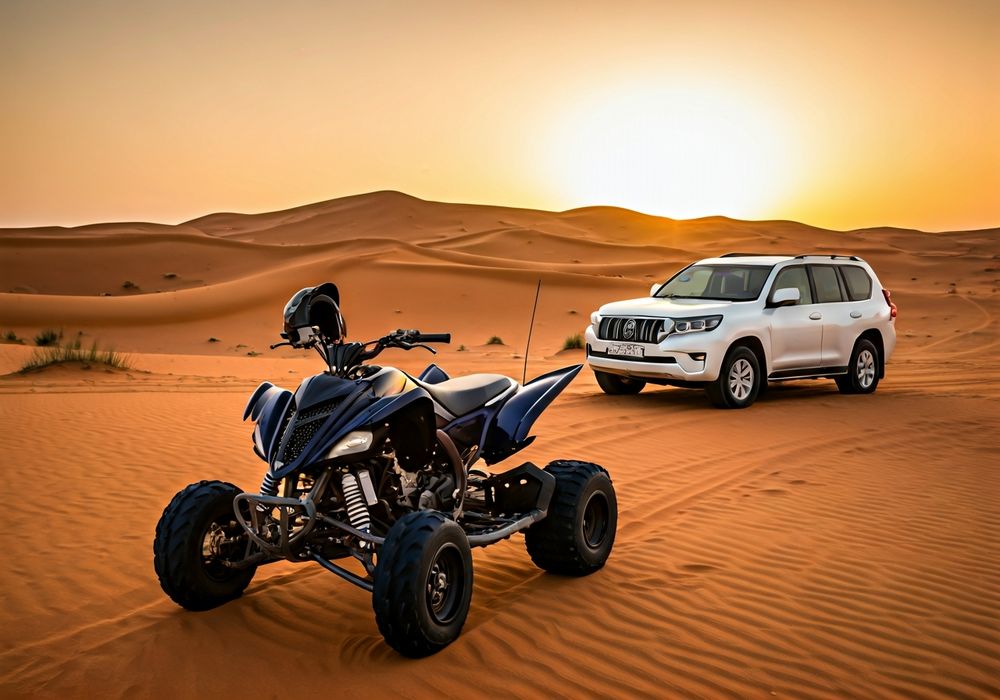
Ask what type of machine is used and whether the group mixes different bike sizes. A balanced group helps because everyone travels at a similar pace. If riders are placed on very different machines, the slower riders may feel pushed while faster riders may feel held back.
Pay attention to the quad bike engine only as one part of the decision. More power can help on soft sand, but it also demands better control. For a first ride, predictable acceleration and responsive brakes matter more than raw speed. For experienced riders, a stronger engine can be useful if the route includes long stretches of deep sand, though skill still counts for more.
Automatic transmission is usually easier for new riders because it removes the need to change gear while steering over uneven ground. That keeps attention on the route, other bikes, and changes in the sand. If gears are involved, the rider should be comfortable using them before setting off.
Check the safety setup before committing
A well run ride starts with safety, and the signs are easy to spot if you know what to look for. There should be a proper safety briefing before riders head out. That briefing should explain hand signals, following distance, what to do if a bike stalls, and how riders should respond when someone stops. Clear rules make the whole group calmer.
A helmet should be provided and should fit properly. It should sit level, feel snug without pressure points, and stay in place when the rider moves their head. A loose helmet is not much use. Riders with long hair should secure it so it cannot catch in the bike or obscure vision. Closed toe footwear, long trousers, and sun protection are sensible choices even on a short ride.
Ask how the route is supervised. The leader should set a pace that suits the least confident rider, not just the fastest one. A stop at the beginning to practise turns and braking is a good sign. So is a clear rule about no overtaking unless instructed. If the terrain includes public paths or mixed traffic, the route needs tighter control and clearer guidance.
It is also worth asking what happens if the weather changes. Wind can blow sand across the trail and reduce visibility. Intense heat can tire riders quickly. A responsible operator will adjust the pace, shorten the route, or stop when conditions are not suitable rather than pushing through.
Look closely at the route and terrain
The route shapes the experience more than most riders expect. A flat, firm track is easier for beginners, while soft sand and steep dunes require more balance and confidence. A route with a mix of terrain can be rewarding, but only if the pace is sensible and the group is not rushed.
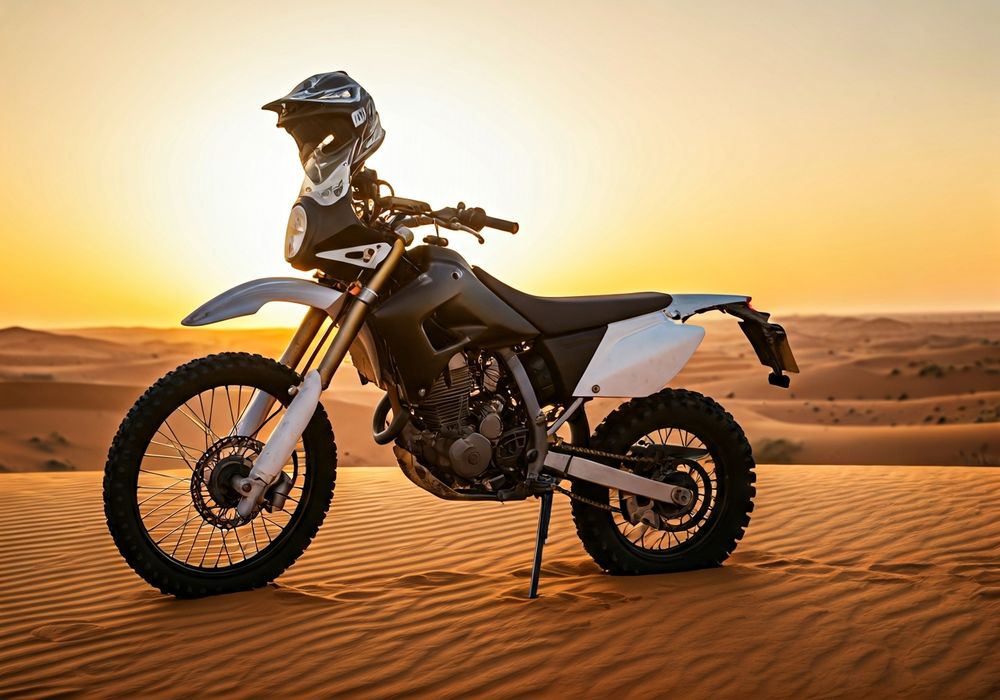
Ask whether the ride follows an ATV trail, open desert, or a combination of both. Trails are usually more predictable. Open desert offers a wider sense of freedom but depends heavily on guide judgment and route planning. Dunes add excitement, yet they also create blind crests, loose descents, and sharp turns that can catch new riders out.
Consider the length of the ride in practical terms. A longer outing is not always better. Sand riding uses more energy than many people expect, especially when the rider is standing and bracing against bumps. A shorter ride with good instruction may be far more satisfying than a long ride that leaves everyone exhausted.
The timing of the outing also matters. Earlier slots are often cooler and calmer, while later rides may bring softer sand and a different light. Heat, wind, and visibility all affect comfort. When comparing quad biking dubai options, look beyond the advertised duration and ask how the route is paced and where breaks are built in.
Understand the booking terms and group format
Before confirming a ride, check whether it is private or shared. A private ride gives more control over pace and route, which helps families, mixed ability groups, or anyone nervous about riding with strangers. A shared ride can still work well if the group is sorted by ability and the leader keeps firm control.
Ask what is included in the outing and what riders need to bring. Some experiences link naturally with a desert safari or a stop at a desert camp, while others focus only on the ride. Neither is automatically better. The right choice depends on whether you want a short activity or a fuller desert outing.
Check the arrival process as well. A smooth start usually includes a clear meeting point, registration, safety gear, and a briefing before anyone mounts a bike. Confusion at the start often leads to delays and a rushed ride later. Clear communication before arrival is a good sign that the rest of the experience will be organised.
Also ask about minimum age rules, passenger policy, and whether riders can switch bikes if the fit is wrong. These details may feel minor, but they shape the day. A child placed on an oversized bike or an adult squeezed onto a small one will struggle no matter how good the route is.
Watch for quality signals
Good operators are clear about limits. They do not promise that everyone will race across dunes, and they do not treat safety gear as optional. They explain the route in plain language, answer questions without pressure, and adjust plans when riders or conditions call for it.
Watch how instructions are given. A useful briefing covers the basics of throttle control, braking, body position, turning, and what to do if the bike tips or becomes stuck. Riders should know not to stand in front of a moving bike, not to ride too close to others, and not to attempt steep dunes without guidance.
Another useful sign is whether the ride has a recovery plan. Sand can stop even a capable bike, and a responsible team knows how to respond without putting riders at risk. If a bike has a mechanical issue, the rider should be moved to a safe area and the problem handled by someone qualified. Riders should never be encouraged to keep using a machine that feels unstable, loses power oddly, or has braking trouble.
Make the final choice with comfort in mind
When the options start to blur, choose the one that gives the clearest sense of control. Look at the rider fit, the briefing, the helmet, the supervision, the route, and the pace. Those details matter more than dramatic descriptions or the promise of the biggest dunes.
A good first ride leaves room for wanting another one. A demanding ride chosen too early can make the whole activity feel stressful. So pick a bike that suits the rider, a route that matches the ability level, and a team that treats safety as part of the experience rather than a formality. With those points in place, the desert becomes a place to enjoy the ride, not a place to simply get through it.